
Country of origin: Ethiopia
Farm: 940 smallholder producers
Washing Station: Shantawene Washing Station
Owner: Asefa Dukamo
Processing: Natural
Altitude: 1,920 to 2,020 meters above sea level
Varietal: JARC Selection 74158
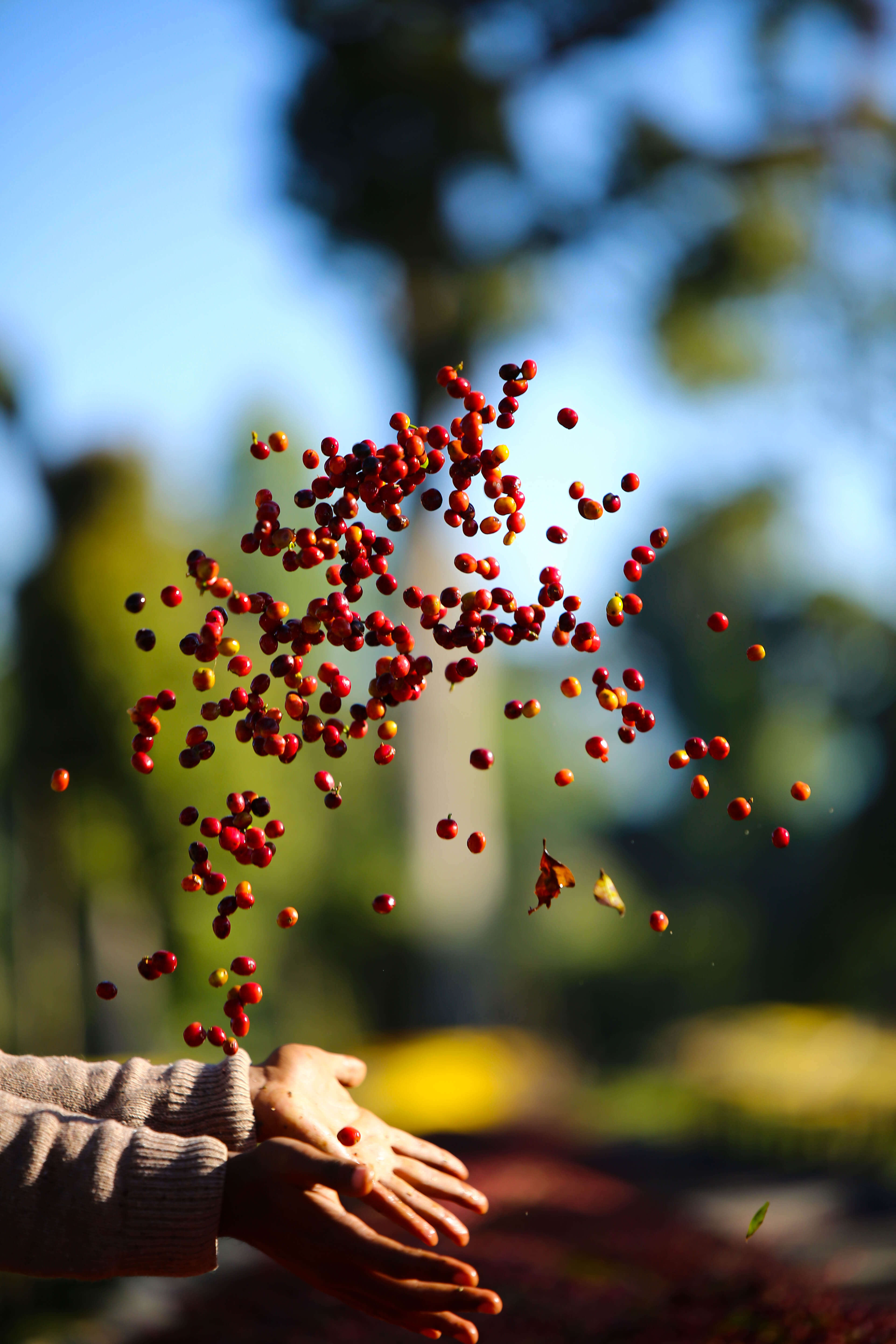
As we tick another month off the calendar, we arrive in October with the final instalment of our most recent selection for our Roaster’s Choice coffee.
Last month’s El Carmen brought us plenty of sweet & fruity delights, and that theme continues with this outstanding coffee from the Sidama Shantawene Washing Station in Ethiopia. Bright and vibrant this coffee delivers a fantastic example of what you can expect from Ethiopian coffees.
When I took my first sip, my immediate instinct was to reach for my phone and message the group chat: “WOW!! SUGAR IN A CUP!!”
So, on that note let’s take a more in-depth look at what makes this coffee so special.
The Ethiopian coffee varietal JARC 74158 traces its origins to the 1970s, when the Jimma Agricultural Research Centre (JARC) selected it from indigenous coffee plants growing in the Metu-Bishari area of western Ethiopia. The selection formed part of a breeding program focused on identifying productive coffee plants with strong resistance to Coffee Berry Disease.
Today, 74158 is prized not only for its resilience in the field but also for the distinctive character it can bring to the cup. Its flavour profile can vary considerably depending on growing region, altitude and processing method, but it is often associated with bright citrus and floral notes alongside sweet berries, tropical fruit and stone fruit.
This month’s offering from Shantawene Washing Station is a great example of that expressive character, bringing together vibrant fruit, a clean and juicy acidity, and a lingering sweetness that makes for a beautifully distinctive Ethiopian cup.

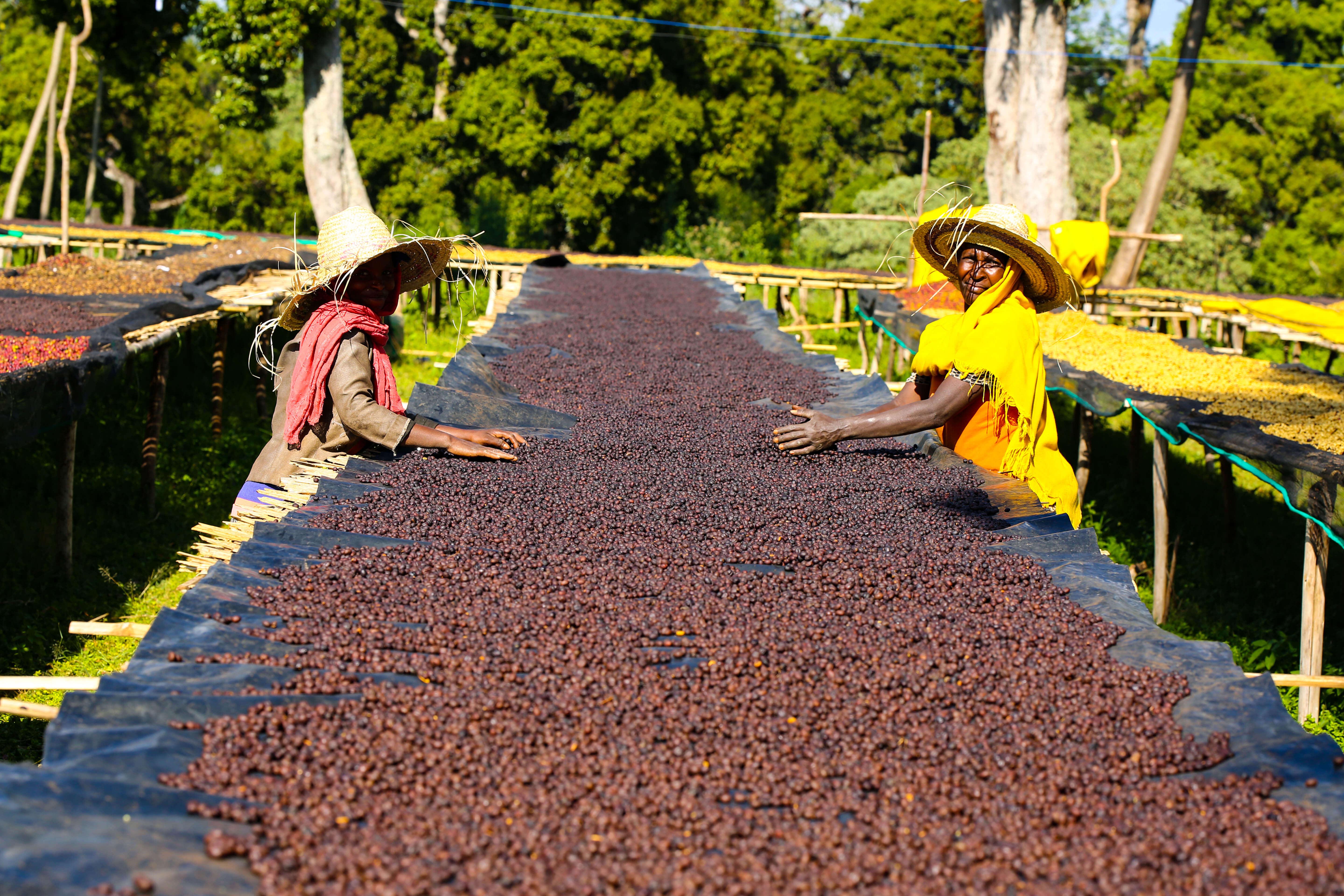
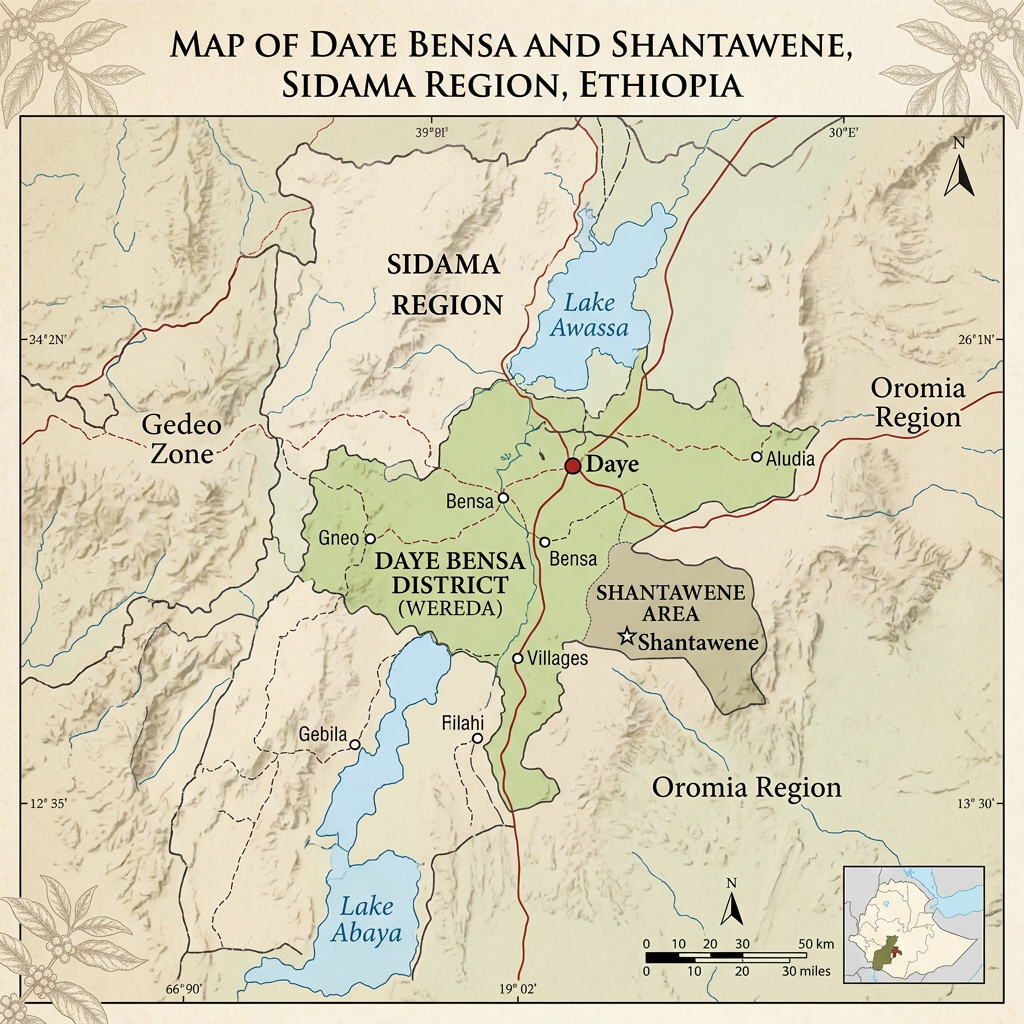
Located within the famous Sidama coffee-producing region of Ethiopia, the Shantawene Station works directly with 940 smallholder producers to mill coffee for export. Daye Bensa, the exporting organization in Ethiopia, provides assistance to producers to sell their coffee.
Owner The owner of the mill, Asefa Dukamo, was introduced to coffee at a young age as his parents were cultivating coffee and other garden crops. In his teens, he began to supply neighboring coffee washing stations with cherries purchased from nearby relatives and villagers in addition to his own family’s farm. He realized that there were not many washing stations nearby, and he had to travel great distances to deliver his coffee. Thus began the idea to construct his own washing station to reduce the travel time for coffee producers in his region.
In 1997, he constructed a washing station in the Girja village, less than one mile from his parents’ house. The following year, another washing station was constructed in Eltama, 30 kms from Girja. Dukamo then moved to the Daye town in the Bensa district, setting up the mother washing station called Qonqana. Eventually, a dry mill was added to provide facilities for naturally processed coffees. Asefa’s younger brother, Mulugeta Dukamo, is the co-founder of Daye Bensa Coffee exporters, and played a key role in the expansion of the washing stations. Today, Daye Bensa operates in six woredas: Bensa, Bura, Chabe, Hoko (Girja), Aroressa and Chire with 20 washing stations, five mills and three coffee farms.
As well as coffee, producers in the region will plant other crops such as sugarcane, a variety of fruits and “Inset”; a common indigenous plant that can be prepared as food in different forms. Income from coffee is important, but minimal for most farmers due to the small size of their farms. As such, inputs are minimal – most coffee grown in the region is 100% organic, though not certified due to high certification costs, as farmers simply do not have the money to apply chemical fertilizers, pesticides, or herbicides.
Producers working with the Keramo Station face a number of obstacles when growing coffee. This includes a lack of access to electricity, water, telecommunication, and road access. In addition, producers in the region suffer from reduced exposure to knowledge on the best coffee farming practices which can directly impact yield and quality.
Fortunately, Daye Bensa has been working to combat these challenges, initiating their “Back to the Community” projects. So far, projects have included the building of roads to connect villages, installing electricity transformers and supplying producers with training in coffee plantation etiquette and better agricultural practices. Daye Bensa has numerous goals outlined for the coming years including an improvement on agricultural training and the construction of a Health Facility for producers and families. The impact the Dukamo family has on the region is significant due to the many farms they have been able to reach – educating youths about coffee production and connecting producers to global coffee markets.
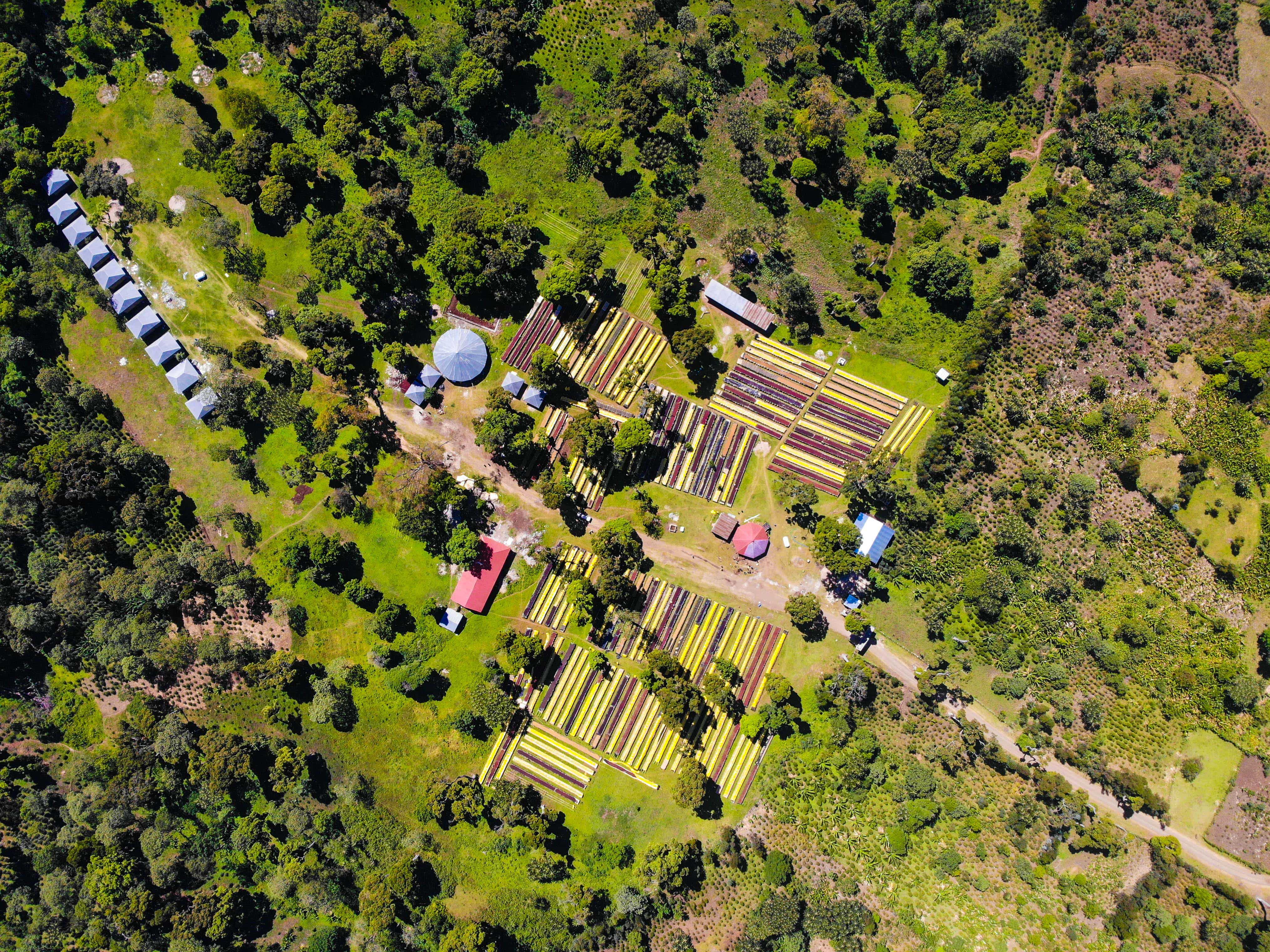
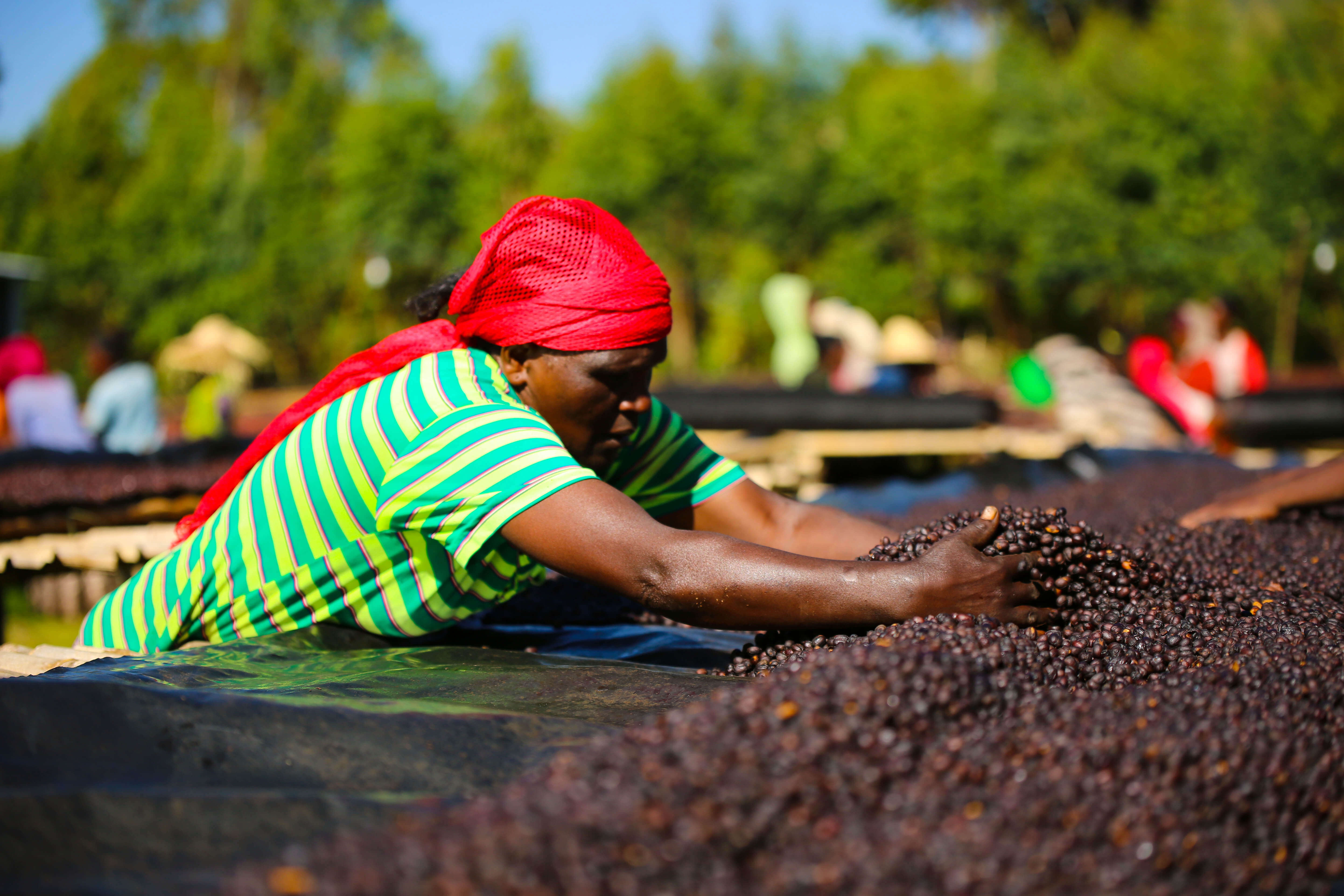
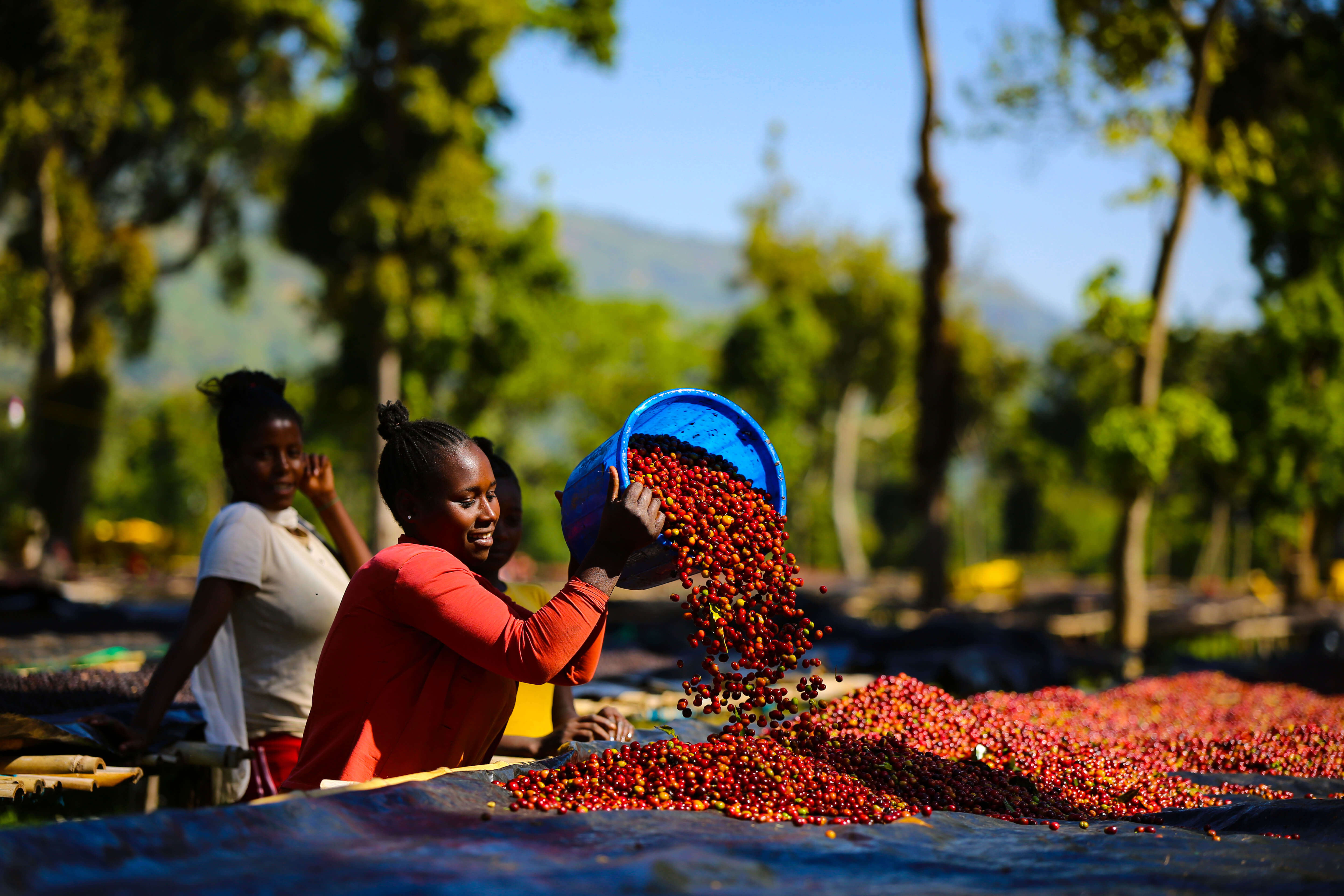
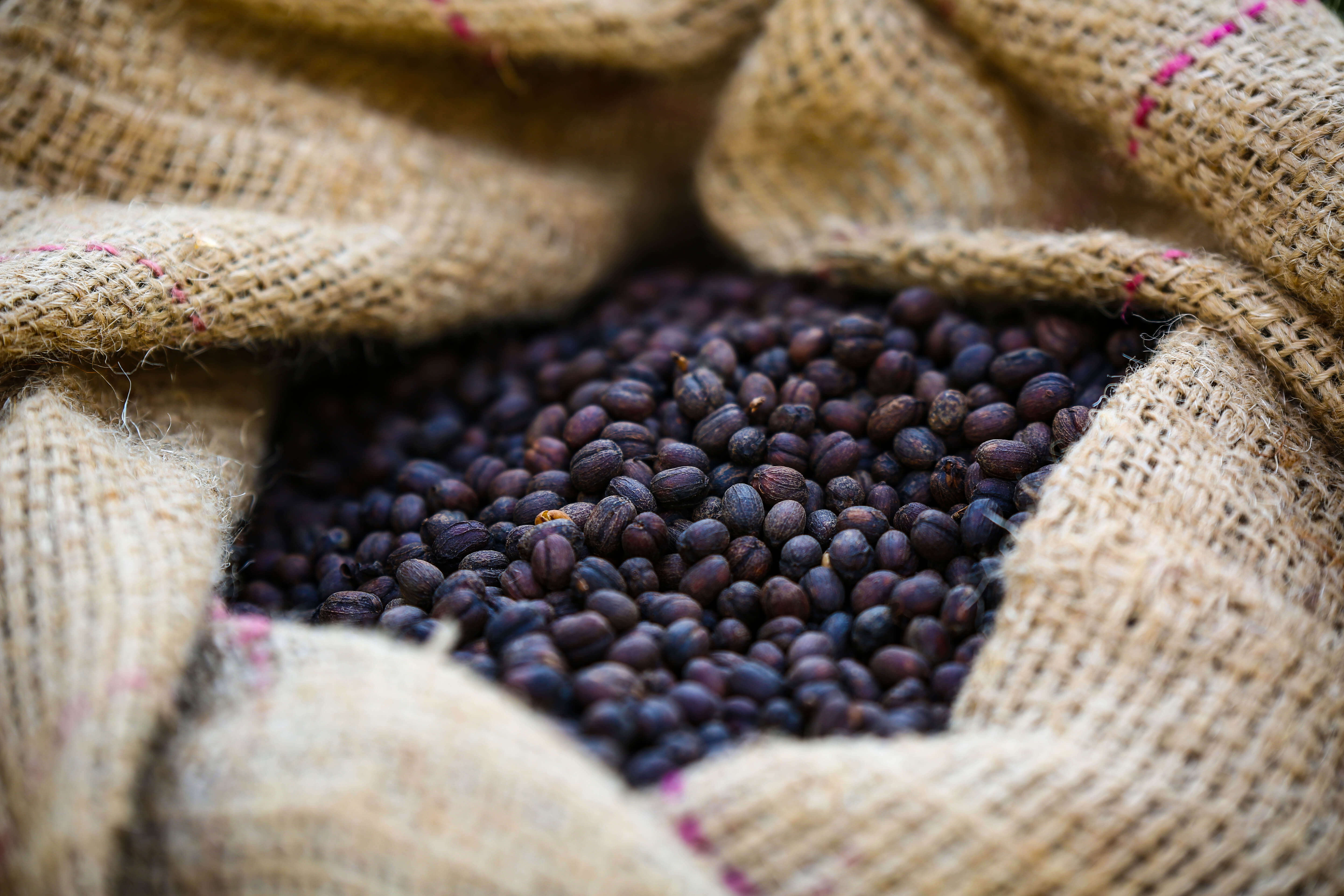
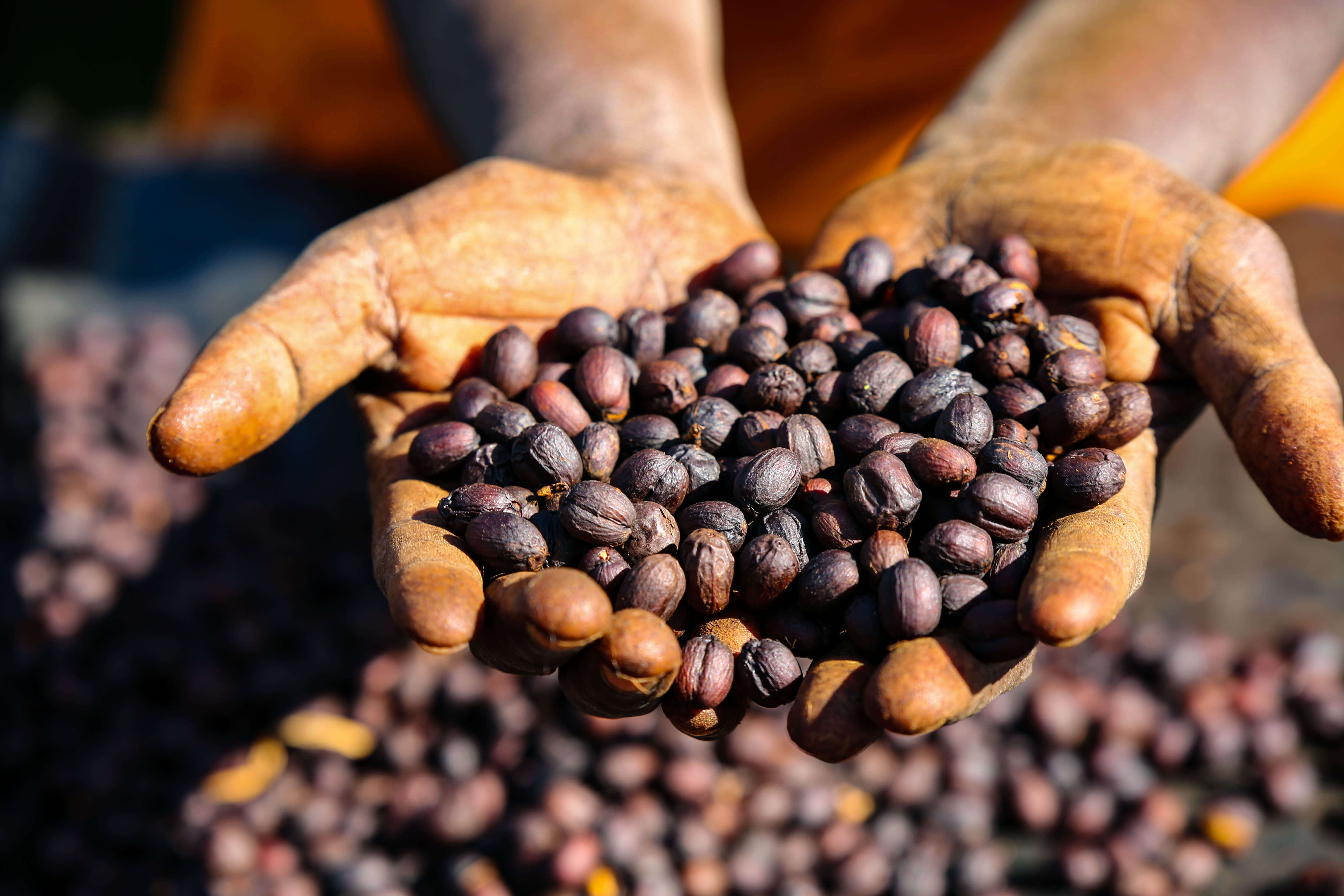
For processing, the journey begins with only the ripest cherries being selectively handpicked. Once collected, the cherries are delivered to the mill to be sorted based on density and quality. This process is carried out by submerging the cherries in tanks and removing the floating cherries prior to drying. After sorting, the cherries are then moved to traditional raised beds lined with mesh nets. Once here, the cherries are rotated every 30 minutes to ensure even drying and to prevent over-fermentation. Drying typically takes about 12-15 days depending on the temperature and humidity. Once the coffee is dried, producers will travel, generally, via horseback or motorcycle 2-5kms to the dry mill. Once at the mill, the coffee is hulled via machine before being packed, ready for export.
The Shantawene Station is one example, whereby producers bring coffee cherries to be processed and purchased.
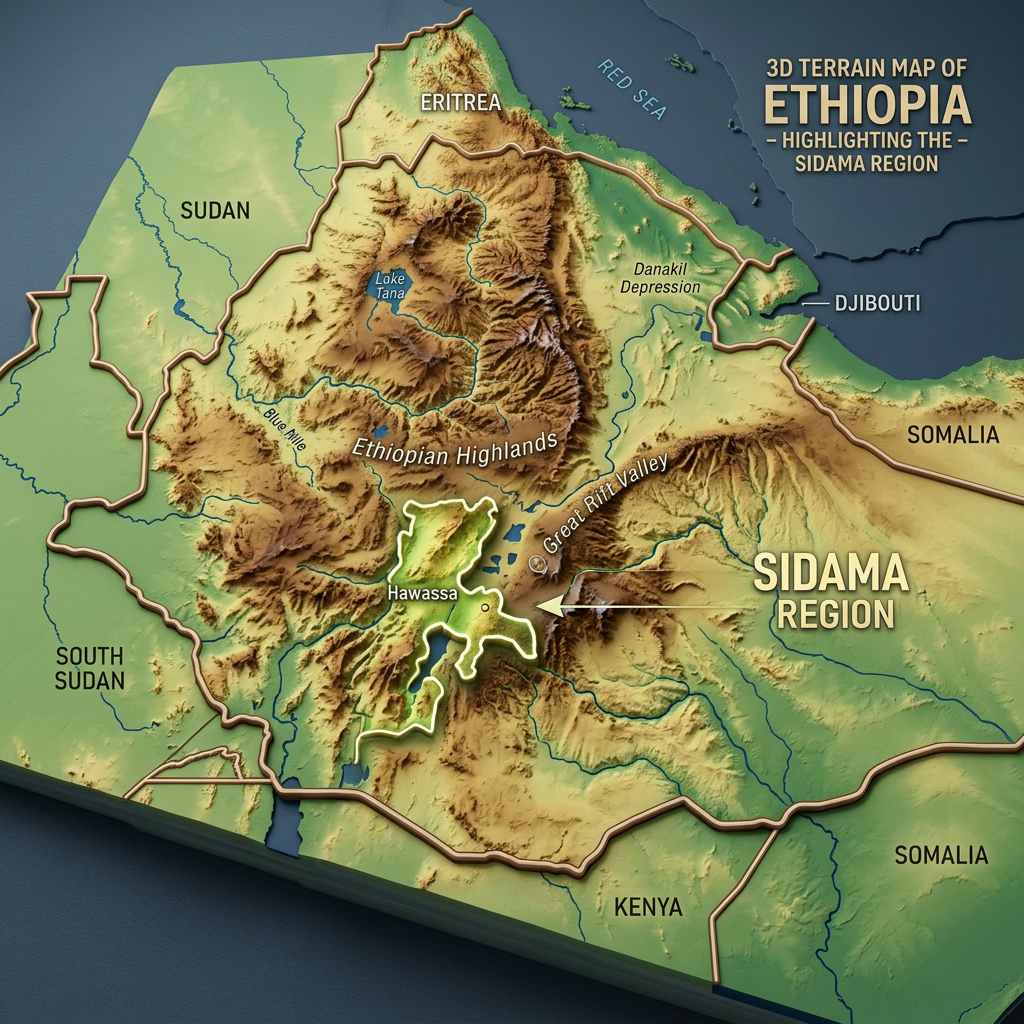
Sidama Producing Region: Located in the southern reaches of Ethiopia, Sidama is well-known for coffee. Yet, recently, it has been regularly contested about the correct spelling – Sidama versus Sidamo. After a referendum in June 2020, Sidama officially became a regional state in Ethiopia, thus the ‘Sidamo’ spelling was deemed incorrect. This region is home to nearly 3.2 million people speaking the Sidama language with their own culture and traditions.
Additionally, this region is prized with fertile soils, high altitudes, and an ideal climate for high quality coffee. The coffee industry, since the growth of popularity of coffee from Ethiopia, widely uses ‘Sidamo,’ but due to the aforementioned political changes, Sidama is the correct reference to the famed coffee-producing region.
What to expect in the cup: This delicate and bright coffee opens with a rich honeycomb sweetness, bringing an intense burst of sugary flavour. As the coffee begins to cool, notes of sweet apple and subtle florals emerge, leading into a soft candyfloss like sweetness that lingers on the finish. This coffee is sugar in a cup, packed with layers of sweet, vibrant flavours. As it develops, you may also notice delicate hints of orange and citrus adding a refreshing brightness to the cup.
Final thoughts: Sweet and inviting, this coffee really is sugar in a cup! It’s definitely one of those coffees that leaves you reaching for an instant refill.
Once again, thank you for taking the time to read our blog and for continuing to learn more about the origins from which we source our coffee. We have some really exciting coffees lined up for the back end of 2026 and the start of 2027 and we can’t wait to share them with you.
Until next time, happy brewing
Warm regards,
Shane
Head Roaster
