
Country of origin: Costa Rica
Farm: Hacienda La Luisa
Farm Size: 223 Hectares (96 hectares allocated to coffee)
Owner: Mario Barquero
Processing: Natural
Altitude: 1450m-1800 above sea level
Varietal: San Isidro
Our penultimate roaster’s choice offering of 2026 is something truly special. This months coffee comes from the Hacienda La Luisa farm, nestled in the picturesque town of Sarchí in Costa Rica’s Western Valley. Sarchí is the heart Costa Rica’s iconic brightly colored geometric-patterned oxcart tradition. Historically used to haul coffee beans from the central highlands down to Pacific ports, these oxcarts are a designated national symbol of Costa Rican folklore and labor. They are stunningly beautiful and well worth a search online.
This fascinating naturally processed coffee is bursting with character and complexity. Expect a full bodied, rich and wonderfully layered cup, with plenty of depth and flavour to explore. We’ve been incredibly fortunate to secure just one 30kg sack of this exceptional lot so it’s definitely one to slow down and savour.
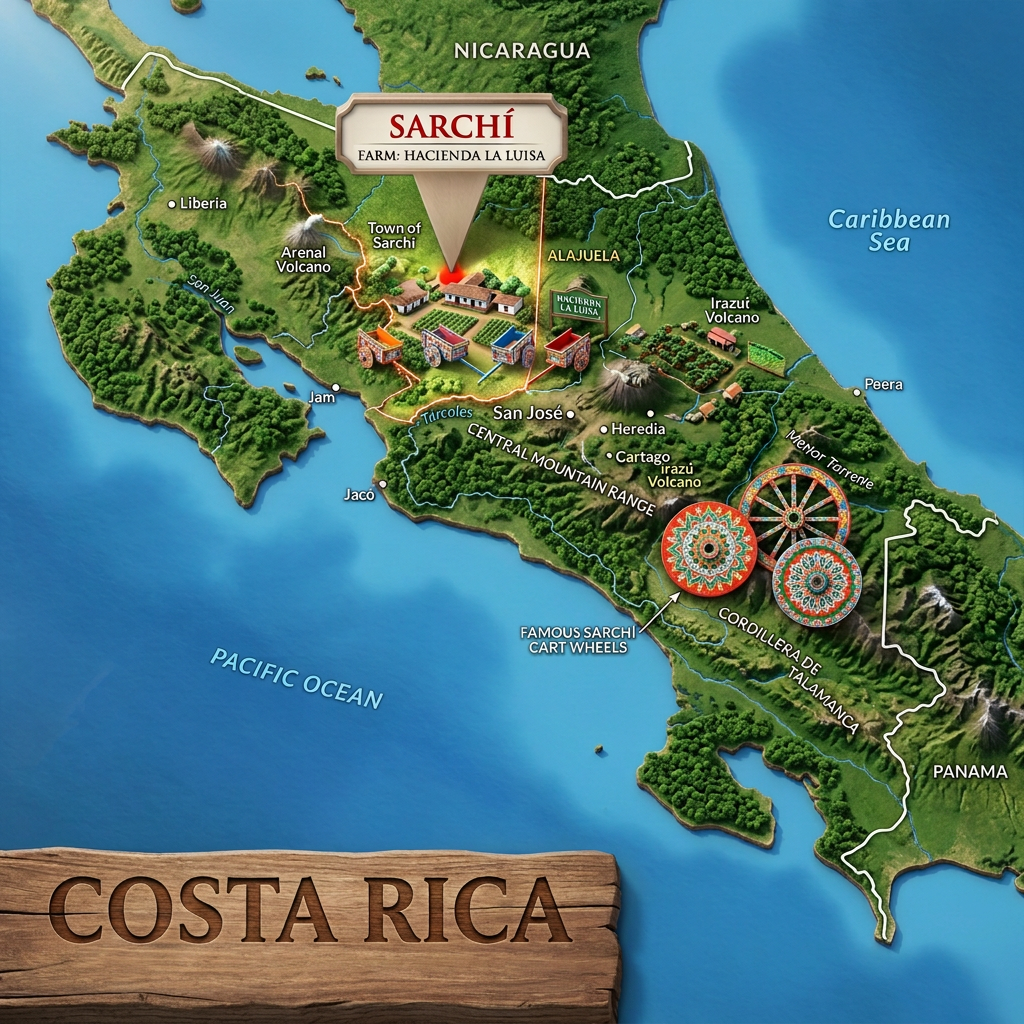
Farm focus: Hacienda La Luisa was established in 1954, when the property was acquired by a family of German origin. At the time, the land was primarily used for dairy farming, but over the years it gradually transitioned into coffee and sugar cane production. Today, the owner is Mario Barquero and the farm stands as one of the key agricultural properties in the Sarchí region, supplying drinking water to the canton and surrounding communities, while also providing direct
employment to families in Los Ángeles, Pueblo Nuevo, and La Luisa.
Set within volcanic soils and a cool, cloud-forest climate, the farm is both a productive coffee estate and an important ecological landscape. More than 224 hectares make up the property, including 96 hectares of protected forest, numerous water sources, and an extensive network of internal trails. These ecosystems form a biological corridor for native flora and fauna, reinforcing the farm’s role as a refuge for biodiversity while also offering sweeping views of Costa Rica’s Central and Western
Valleys – on clear days, even the Poás, Barva, Irazú, and Turrialba volcanoes can be seen.
Today, Hacienda La Luisa focuses on specialty coffee production under a regenerative and sustainable model, combining tradition with ongoing innovation in plant genetics and agronomy. The varietal in this lot, San Isidro, is a modern diseaseresistant cultivar developed in Costa Rica. It is a Sarchimor hybrid, created from a cross between Villa Sarchí and Timor, specifically selected to perform well in the high-altitude environments and volcanic soils of Central America.
Alongside San Isidro, the estate cultivates a diverse portfolio of varieties including Kenya SL28, Catuai, Caturra, Costa Rica 95, Marsellesa, Villa Sarchí, and Sarchimor. Each is chosen for a balance of productivity, resilience to disease and climate stress, and potential for high cup quality, allowing the farm to adapt to changing environmental conditions while maintaining specialty grade standards. Annual production reaches around 1,300 bags, with approximately 35% entering the specialty coffee market. Coffee remains the core focus, although sugar cane continues to be cultivated as part of the farm’s diversified system. The average age of the coffee trees is around 27 years, and to maintain long term productivity, the farm applies a structured pruning system following a 1×3 row cycle over six years.

Like many producers in the region, Hacienda La Luisa faces ongoing challenges, including labor
shortages, climate change pressures, coffee leaf rust, and aging plantations. In response, the farm uses tailored nutrition and fertilization programs, adjusting inputs by lot based on plant needs and harvest timing. Each lot is carefully separated by variety and cherry maturity to ensure more precise agronomic management and improved cup quality.
Sustainability remains central to the farm’s identity. Around 55% of the land is preserved as primary forest and private reserve, complemented by active reforestation programs, water conservation efforts, and wildlife protection initiatives. In recent years, the farm has also observed shifts in microclimate conditions, including reduced wind intensity and increased sunlight exposure, which have positively influenced plant development. Continuous experimentation with new varieties and agronomic practices reflects an ongoing commitment to adaptation and improvement.
Beyond agriculture, Hacienda La Luisa maintains a strong connection to the local community. Together with Beneficio La Eva, the farm supports shared recreational spaces, including a soccer field and facilities where local families and children can gather, strengthening social ties in the surrounding rural area.


Processing: Prior to harvest, each lot undergoes a preliminary evaluation to assess cherry maturity and determine the appropriate picking strategy. After processing, the coffee is cupped and evaluated to identify its sensory profile and ensure there are no defects or fermentation issues.
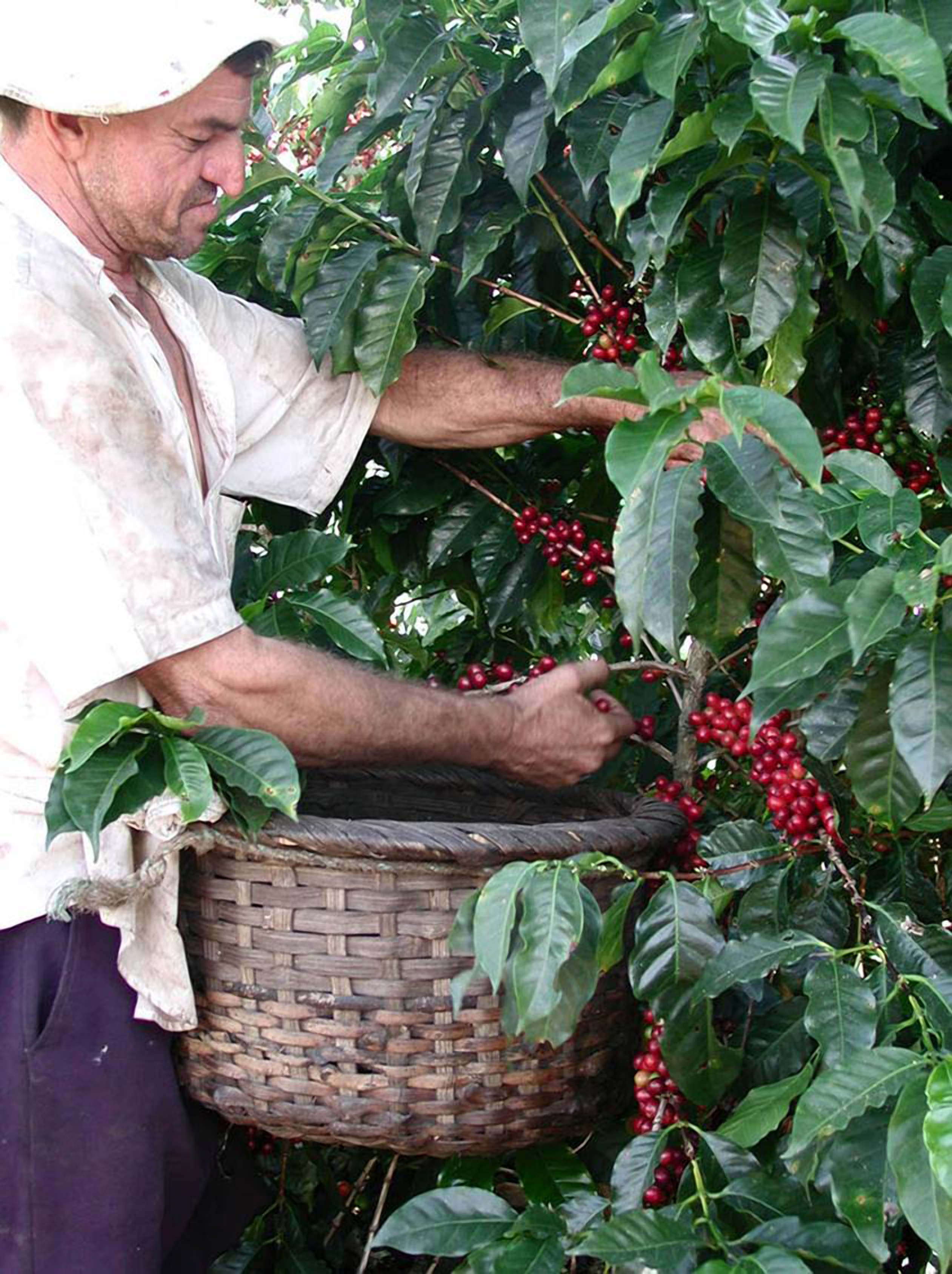
Cherries are selectively hand-picked at peak ripeness and carefully sorted before processing begins. Each designated lot is processed as a separate batch to preserve traceability and quality integrity. For this coffee, cherries are sun-dried as a whole lot.
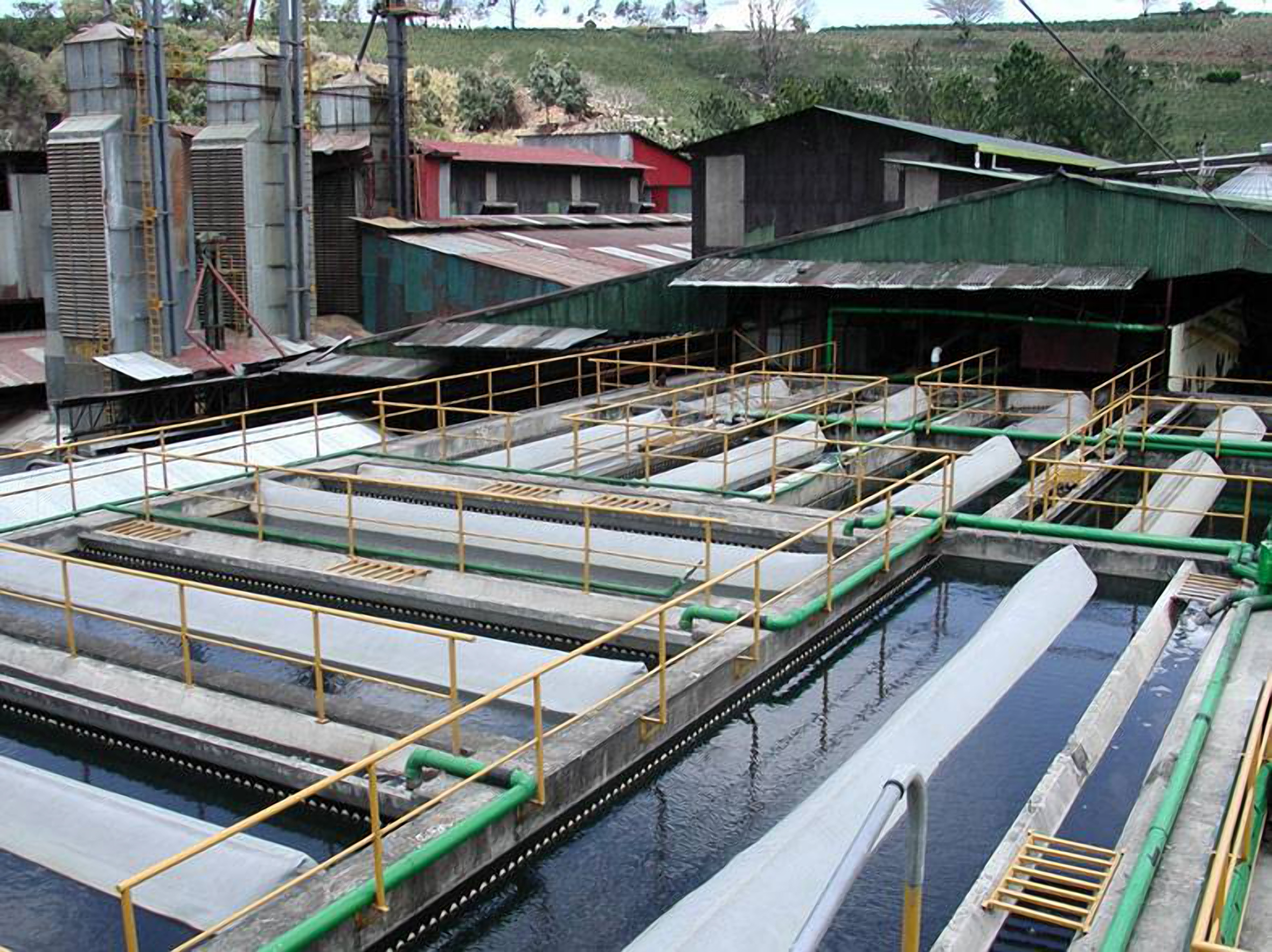
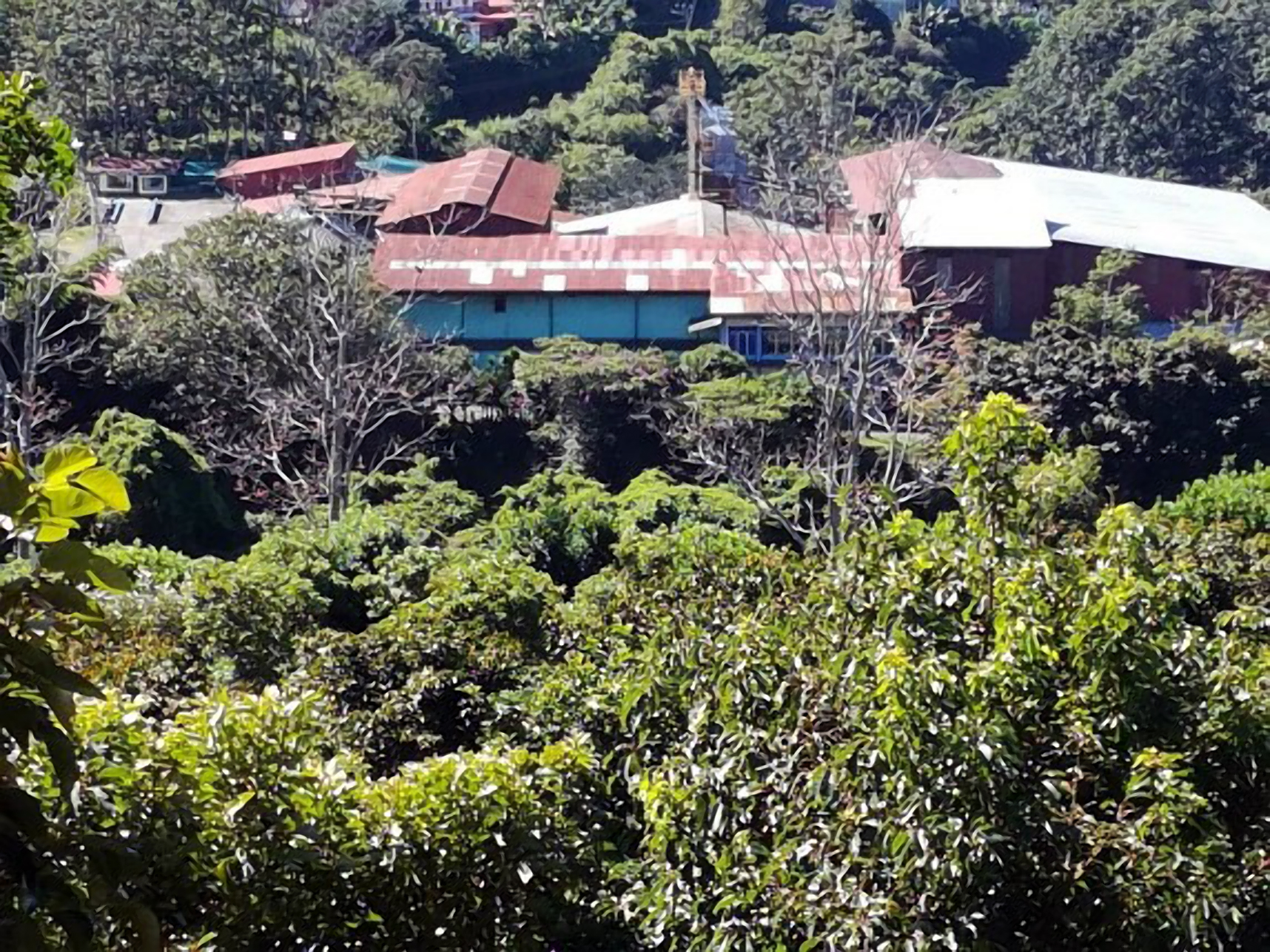
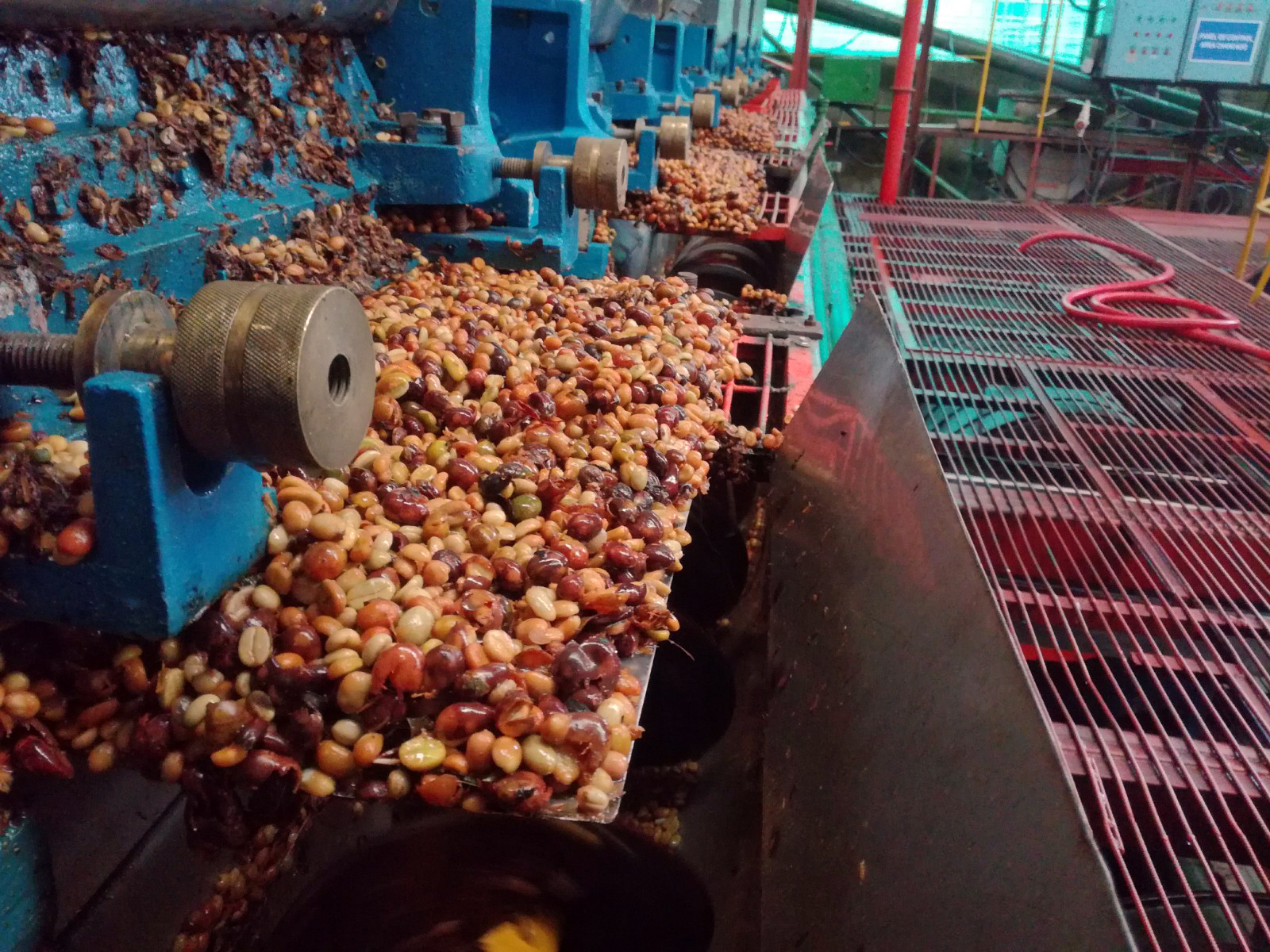
Drying takes place on raised African beds over a period of approximately 10 to 15 days, depending on weather conditions. During this time, the coffee is turned manually around three times per day to ensure uniform drying. At night, the beds are covered to protect the cherries from excess humidity. Moisture levels are closely monitored throughout the process using humidity meters to ensure optimal stability and prevent over-drying or fermentation issues. Once drying is complete, the coffee is transported in cherry form to the wet mill located approximately 9km from the farm.
What to expect in the cup: This seasonally warming coffee is full bodied and bursting with flavour. As with all coffees, different water profiles and brewing methods can reveal a fascinating range of tasting notes, making every cup a little different.
Here at the roastery, our first impressions are an intense sweetness of blood orange, balanced by a gentle bitterness of red grapefruit. Warming spices, particularly nutmeg, soon follow with subtle hints of cola lingering in the background. As the cup begins to cool, deeper, richer notes of black cherry emerge, bringing an almost wine like character and a beautiful depth of flavour.
Complex, evolving and full of surprises, this is a coffee that reveals something new with every sip. One to slow down, savour and enjoy on those cold mornings.

Final thoughts: Thank you for taking the time to read this blog and join me in exploring a little more about this wonderful coffee producing farm in Costa Rica, one of my favourite coffee producing countries.
With the festive season just around the corner, we’ve got a fabulous Christmas coffee in the works, alongside a really exciting offering for our December Roaster’s Choice. It’s definitely not one to be missed! We can’t wait to spill the beans (no pun intended!) and share all the details with you.
As always, happy coffee drinking!
Warm regards,
Shane
Head Roaster