
Country of origin: Kenya
Factory: Gichuka Coffee Factory
Cooperative: Kimaratia FCS
Processing: Fully Washed
Altitude: 1,800 – 1,850 meters above sea level
Varietal: SL 28, SL 34, Ruiru 11 & Batian
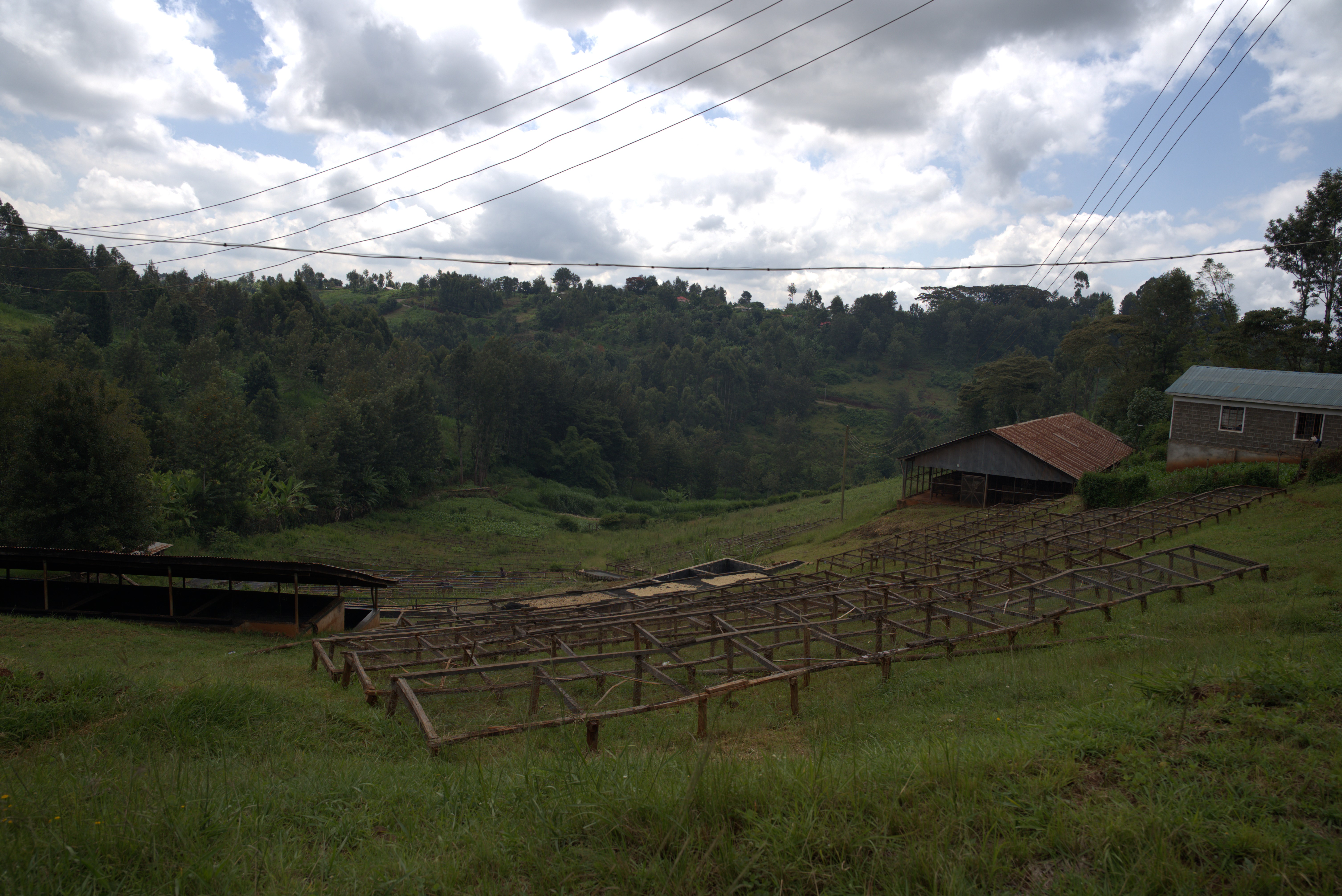
After cupping the latest shipment of coffees that arrived earlier this summer, I have to say we were truly spoilt for choice. The quality across the table was exceptional, and narrowing the selection down was no easy task. If I’m honest, I wanted to choose them all! After much deliberation, I finally settled on a handful of standout coffees, and I’m delighted to introduce one of the most complex and intriguing of the lot: an exceptional offering from the Gichuka Coffee Factory in Kenya.
Coffee in Kenya: Although Kenya shares a border with Ethiopia, the birthplace of Arabica coffee, it did not begin cultivating coffee until the 1890s, making it a relatively late entrant to coffee production. The industry was introduced by missionaries and expanded during British colonial rule, when African farmers were initially excluded from owning or growing coffee commercially. Over time, Kenya developed a reputation for producing exceptional quality coffee through rigorous grading standards, careful washed processing methods and the Nairobi Coffee Auction system. All of which helped establish its premium status on the global market. Today, the industry is driven largely by smallholder farmers, many of whom belong to cooperative societies that process and market their coffee collectively. Although Kenya produces far less coffee than major producers such as Brazil, Vietnam, and Ethiopia, its coffees consistently command premium prices due to their bright acidity, clarity and distinctive fruit forward flavour profile. This year Kenya is projected to export around 840,000, 60kg sacks of coffee.
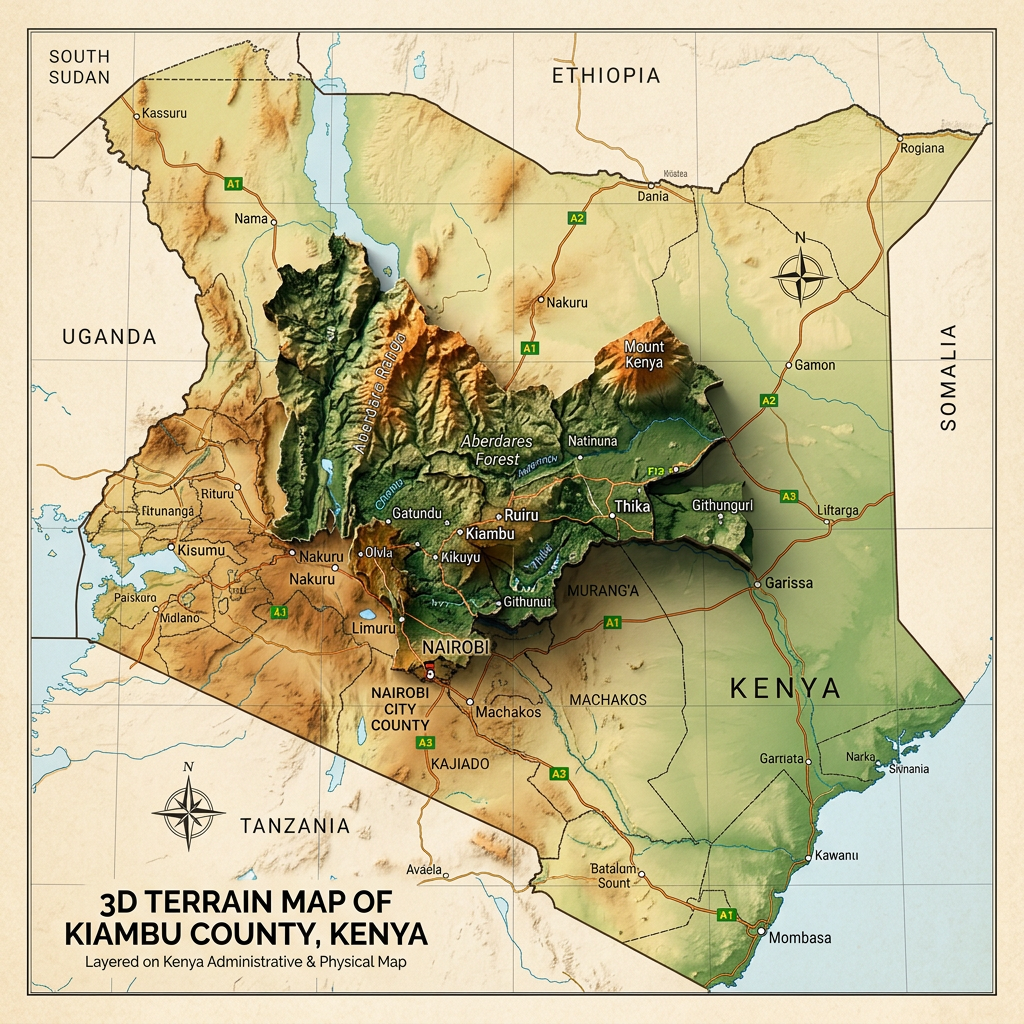
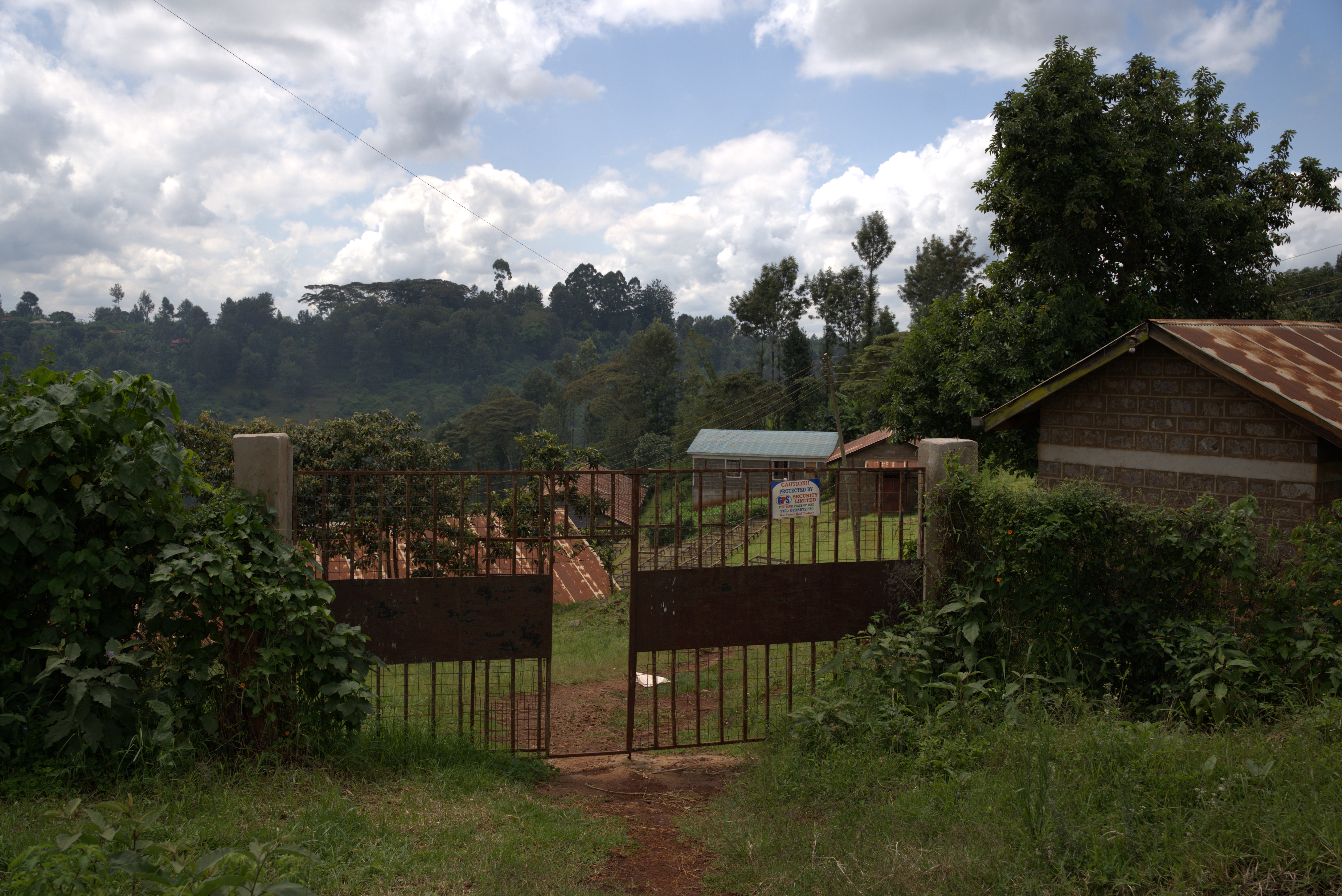
With nearly 700,000 coffee producers, roughly 70% of which are smallholder producers, Kenya shines as a unique coffee-producing country in East Africa. Within the Kiambu County is the Gichuka Coffee Factory, belonging to the Kimaratia Farmers’ Cooperative Society (FCS). In Kenya, factories are essentially wet mills and collection points for coffee. The FCS was originally created by the now defunct Kiamwangi coffee group, a large cooperative in the area. Currently, the FCS manages three factories: Gichuka, Gachika, and Gitare. The Gichuka Factory was initiated in 1985, the youngest of the three. Producers deliver their cherries to the Factory that is closest to their homes.
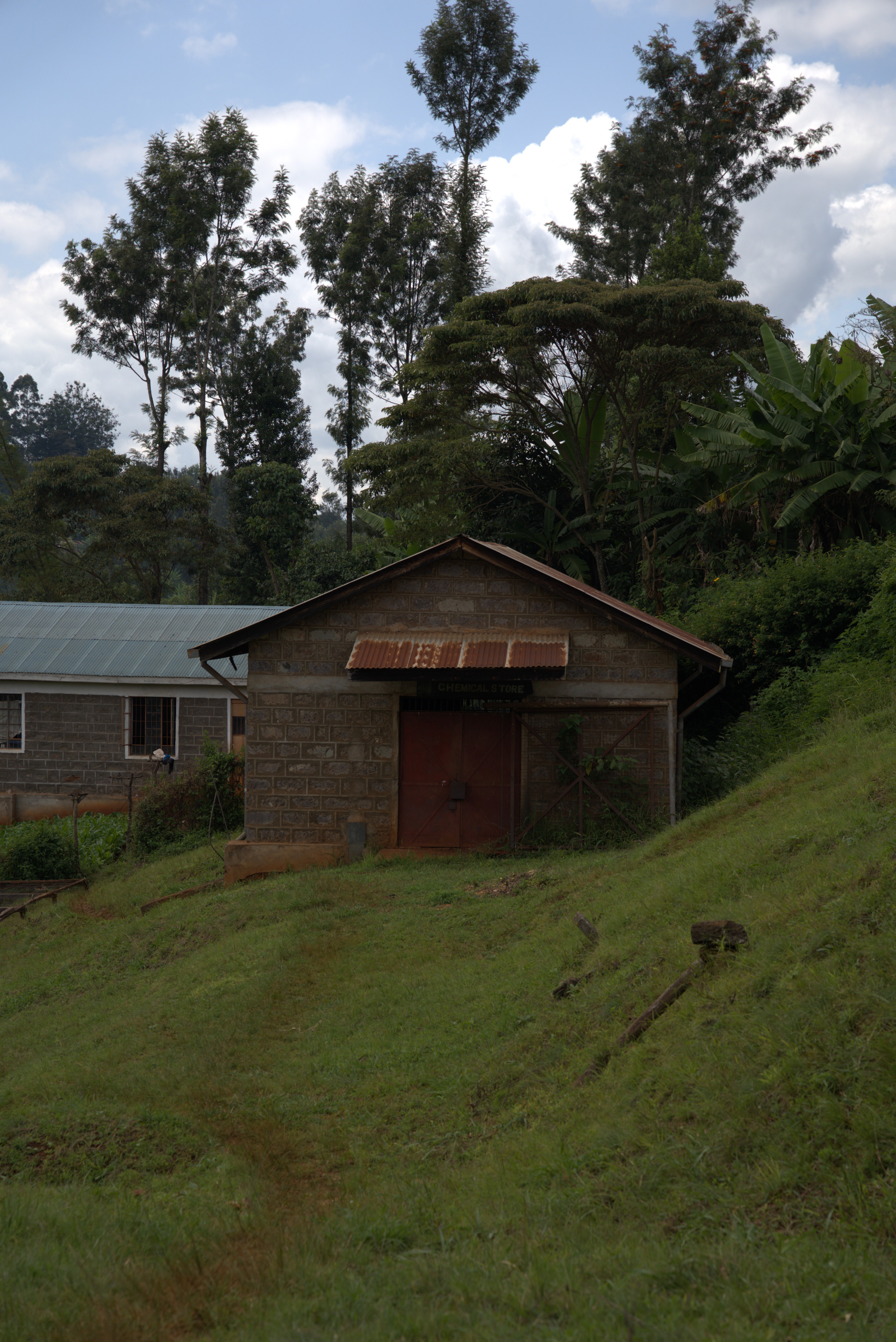
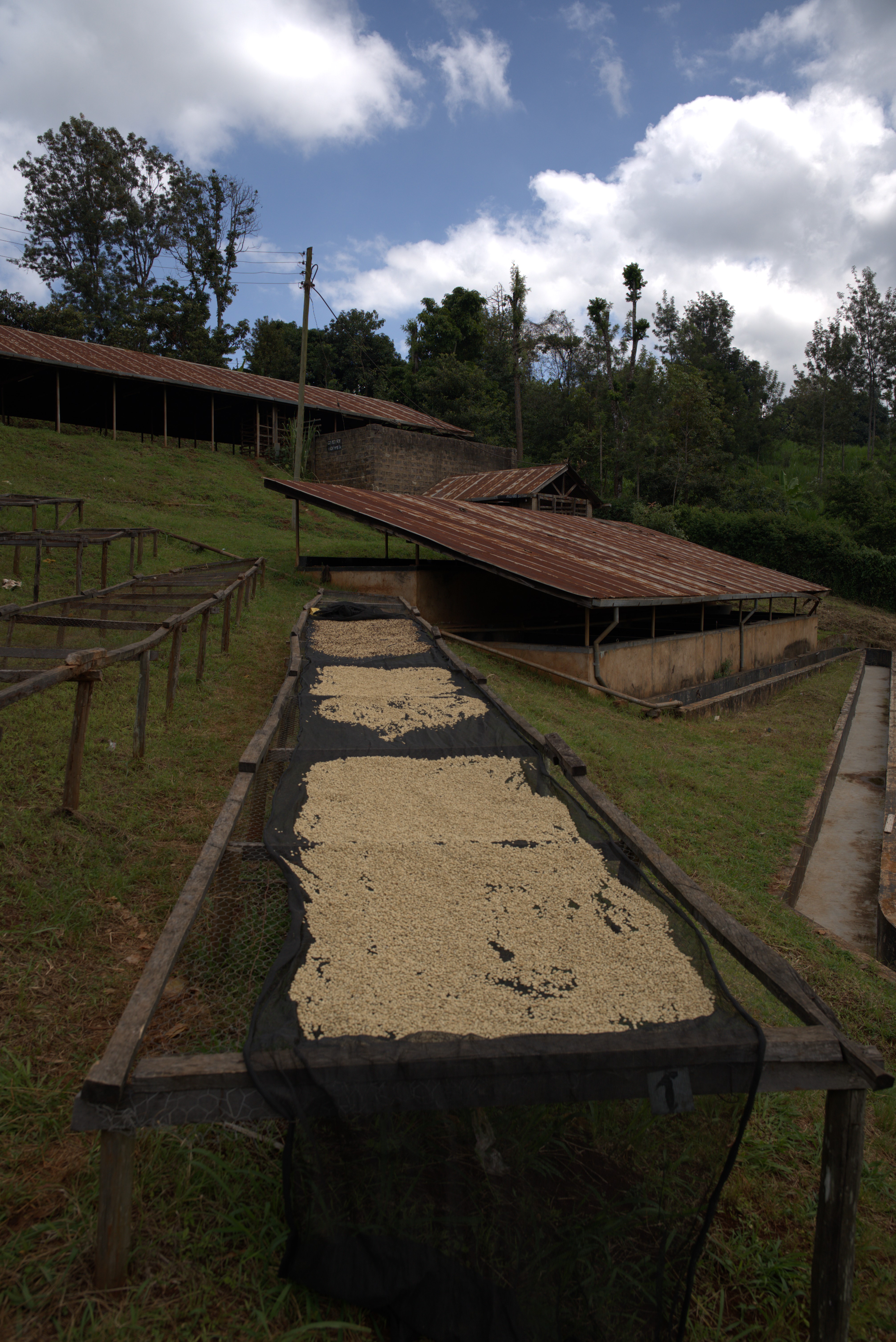
Farm focus: Situated at roughly 1,800 meters above sea level, the region where the Factory is located is defined by its bright red soils, full of rich nutrients for coffee trees. The high altitude allows for ideal temperatures and rainfall for the slow maturation of coffee cherries. The FCS is managed by seven board members, two elected in each factory, and one that floats amongst all the factories.
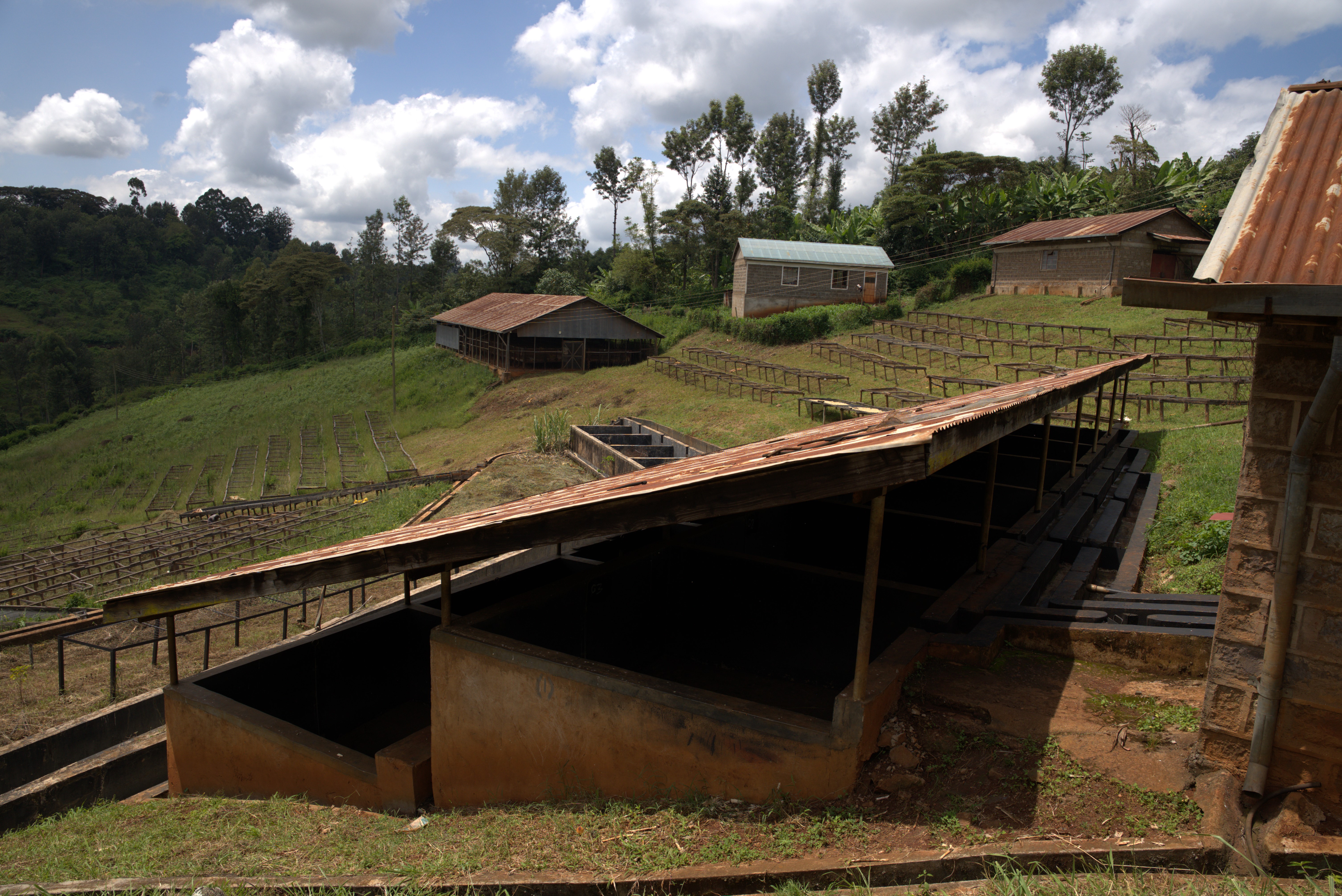
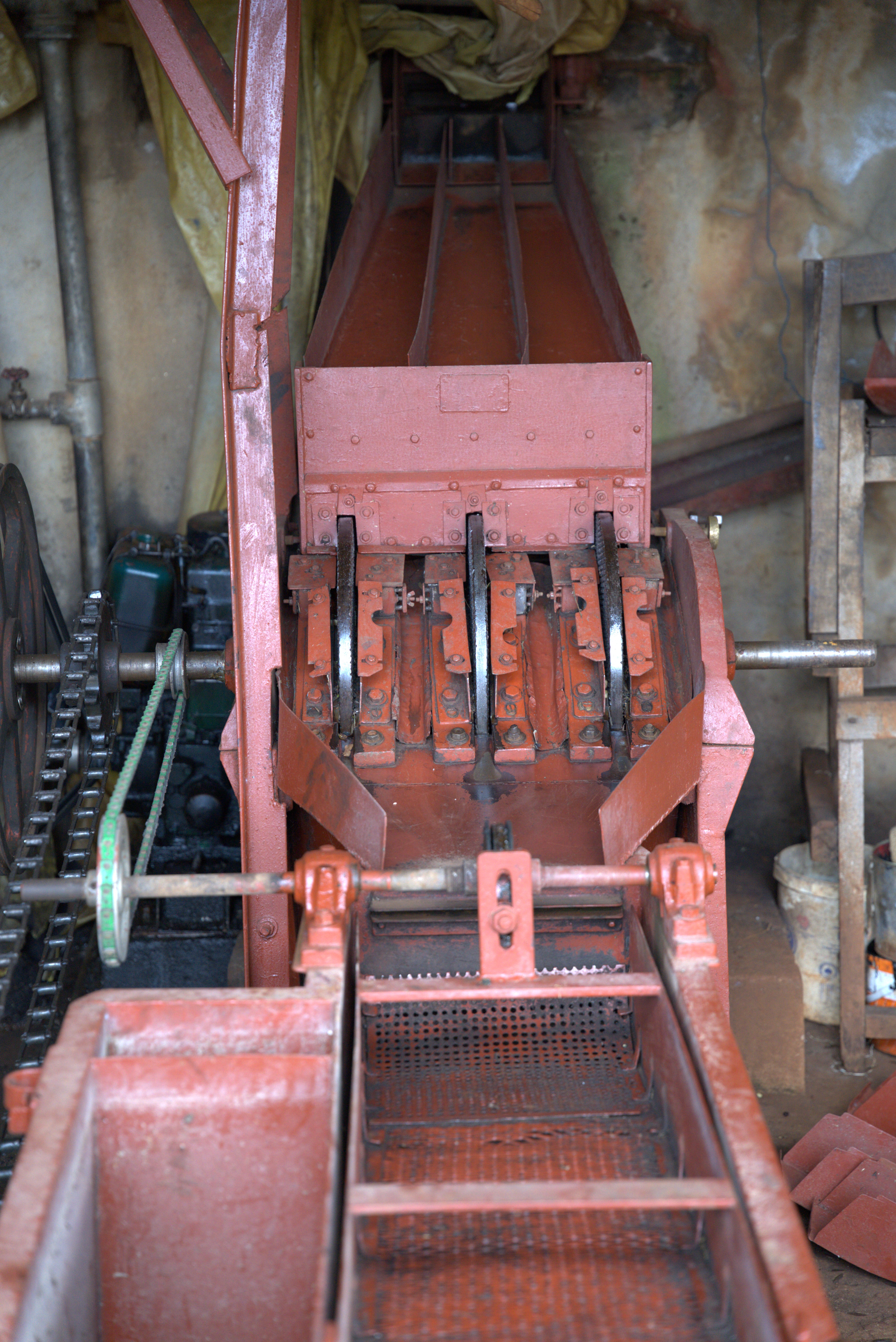
After the producers gather their ripe cherries, they will deliver them to the Factory. Once the cherries reach the mill, the coffee is pulped to remove the external fruit from the coffee bean. The coffee is then soaked in cement tanks overnight to break down the remaining mucilage. The following morning, the coffee is cleaned once more through channels of water and dispersed on raised beds to dry in the open sun until the ideal moisture content is reached.
The Factory has invested in a new pulper, a recirculation system and about 20 conditioning bins to ensure efficient and uniform processing is attained to produce high quality coffee. Additionally, the Factory has dug soaking pits to sustainably return wastewater to the soil without harming the environment.
Interesting fact: Screen sizing in Kenya. The AA, AB and other grades used to classify lots in Kenya are an indication of screen size only. They are not an indication of cup quality. The AA grade in Kenya is equivalent to screen size 17 or 18 (17/64 or 18/64 of an inch) used at other origins. AA grades often command higher prices at auction though this grade is no indication of cup quality and an AB lot from a better farm may cup better. PB, or Peaberry, refers to the coffee seed round and small in structure. This occurs when the coffee cherry only produces one seed.
What to expect in the cup: This complex Kenyan coffee reveals layers of flavour from the first sip. It opens with vibrant notes of sour cherry before developing into a rich, sticky black treacle mouthfeel. As the cup evolves, the sweetness deepens into a smooth toffee character, while subtle dark fruit notes linger in the background. As it cools, these flavours become increasingly pronounced, creating a balanced and satisfying finish.
Final Thoughts: Kenyan coffee is famed for its bright, wine-like acidity, a rich syrupy body, and distinct fruit notes like blackcurrant, blackberry, and tart citrus. This unique taste comes from high altitude volcanic soils and traditional wet processing methods. Creating a complex, clean and well balanced cup. This month’s coffee has certainly ticked all those boxes and is absolutely delicious. Have a go as an espresso to really feel the punch of those sour cherry notes. Adding steamed milk for a delightful flat white further enhances this coffee’s capabilities. Get brewing with this one as this coffee has it all!
Never miss a Roaster’s Choice Coffee! SUBSCRIBE HERE.
Thank you for taking the time to read this post and learn more about Kenya as a coffee producing origin and the dedication of the smallholder farmers and cooperatives who produce these truly exceptional coffees.
We’re incredibly grateful for your continued support and for choosing to brew our coffee at home. Your support allows us to share remarkable coffees from around the world while celebrating the passion, skill and hard work that goes into every harvest. Every cup you enjoy helps us continue our mission of connecting outstanding producers with coffee lovers everywhere.
Warm regards,
Shane
Head Roaster